










Supporting Connection Without Distractions
Sunday mornings carry a rhythm unlike anything else. People arrive hopeful. Volunteers show up early. Musicians warm up, children’s ministry prepares to welcome families, and pastors pray over the message they’ve been entrusted to share. Every element in the room is working together to create a moment where people feel seen, heard, and connected.
And while technology isn’t the center of worship, it supports nearly every piece of that experience. When it works, it’s invisible. When it fails, everyone notices.
At I.T. Worx, we’ve spent years supporting churches and ministry teams—meaning we don’t just understand “network uptime.” We understand Sunday. We’ve seen the pre-service scramble, the volunteer handoff, the last-minute slide change, the “why is the livestream buffering right now?” moment. Reliable technology isn’t about gadgets—it’s about protecting the moments that matter.

The Hidden Weight of Technical Stress
Most church leaders and volunteers don’t get nervous about preaching, singing, or leading groups—they’re worried the microphones might cut out, the slides won’t advance, or the livestream will disconnect.
Technology shouldn’t carry that much influence over a worship service, but in today’s ministry environment:
- Microphones depend on stable audio systems
- Lyrics and sermon notes depend on connected displays
- Livestreams depend on strong Wi-Fi and consistent upload speeds
- Children’s ministry depends on check-in systems
- Giving depends on secure networks
- Communication depends on email and messaging tools
Reliable technology is no longer a luxury—it’s the backbone of smooth, distraction-free ministry.
And here’s what many IT providers miss: in a church, tech stress doesn’t just frustrate a “department.” It spills into the room. Volunteers feel it. Guests feel it. The team feels it.
Why Reliability Matters So Much in Ministry
Unlike businesses, churches run on volunteers, weekend-heavy schedules, and multi-use spaces. That makes ministry environments uniquely vulnerable to technical interruptions:
- Volunteers rotate weekly, so systems must be simple
- Sunday morning is the “all-hands moment”, so issues often happen at the worst time
- Rooms are used for classes, rehearsals, groups, and events, so equipment moves constantly
- Many churches depend on donated technology that wasn’t designed for long-term reliability
A stable technology setup removes stress from staff and volunteers—allowing them to focus on caring for people instead of troubleshooting under pressure.
This is exactly where experience matters. Church tech isn’t “a small business with a stage.” It has its own rhythm, its own constraints, and its own stakes—and it needs support from a team that understands that reality.
The Church-Specific Details Other IT Companies Often Miss
A lot of IT companies can set up Wi-Fi. Not all of them know what happens when:
- The sanctuary fills up and every phone connects at once
- You’re running livestream + slides + audio + check-in simultaneously
- A volunteer logs into the wrong account (because there are three shared ones and nobody remembers which is which)
- A fake donation email goes out “from the church” and people start replying
- The kids check-in printer decides it’s taking the day off… five minutes before families arrive
These aren’t edge cases. They’re normal ministry realities.
Because we’ve worked with churches, we plan differently: for volunteers, for Sundays, for guest traffic, for security where it matters most, and for the fact that your building might have cinderblock walls, odd layouts, and “that one room where Wi-Fi goes to die.”
Legacy Systems Aren’t Designed for Today’s Demands
Many churches still rely on technology that used to work well but now struggles with:
- Older Wi-Fi hardware
- Unmanaged networks
- Outdated computers
- Inconsistent livestream setups
- Limited cybersecurity
- No backup systems
These gaps rarely show up during the week—but they certainly reveal themselves on Sunday.
Modern systems don’t need to be flashy. They just need to be:
- Reliable
- Easy to use
- Safe for volunteers
- Secure for donor and member data
- Built with room to grow
This is where thoughtful technology planning begins—especially when it’s led by people who understand how ministry actually functions week to week.

Technology as a Ministry Partner, Not a Distraction
Good technology frees ministry. It makes things easier. It supports volunteers. It creates confidence.
Reliable church tech should:
- Enable a smooth Sunday service
- Protect sensitive information
- Serve people with special needs or accessibility needs
- Strengthen communication inside and outside the church
- Support livestreams for shut-ins and traveling members
- Make guests feel welcome and safe
And most importantly:
It should stay behind the scenes.
How I.T. Worx Approaches Technology for Churches
We serve churches as a neighbor—not as a consultant telling them how to run their ministry. We don’t come in with assumptions or pressure—just dependable help. Our role is simple:
- Listen first
- Understand how your team works
- Identify what’s causing stress or inconsistency
- Recommend technology that fits your pace and your budget
- Support your volunteers so they feel confident using it
We also bring the church-specific perspective that matters:
- We plan around your ministry calendar (because “we’ll do it Sunday morning” is not a plan)
- We reduce complexity so volunteers can succeed
- We prioritize security in the places churches are most often targeted (email, donations, shared accounts)
- We build systems that can handle real Sunday traffic—not just weekday office use
Where Churches Often Start
For most ministries, the first steps toward reliable Sunday technology involve:
- Upgrading Wi-Fi
- Simplifying AV systems
- Standardizing computers
- Securing staff and volunteer email
- Strengthening livestream infrastructure
- Protecting donor data
- Adding safe check-in tools for kids
These small changes often create the biggest impact—especially when they’re implemented with an understanding of how ministry teams actually operate.
Technology Should Support Your Ministry—Not Get in Its Way.
Every church works differently. I.T. Worx starts by listening, then helps create secure, dependable, easy-to-manage systems that fit your staff, volunteers and day-to-day ministry.
Recent Posts

Aug. 13, 2026
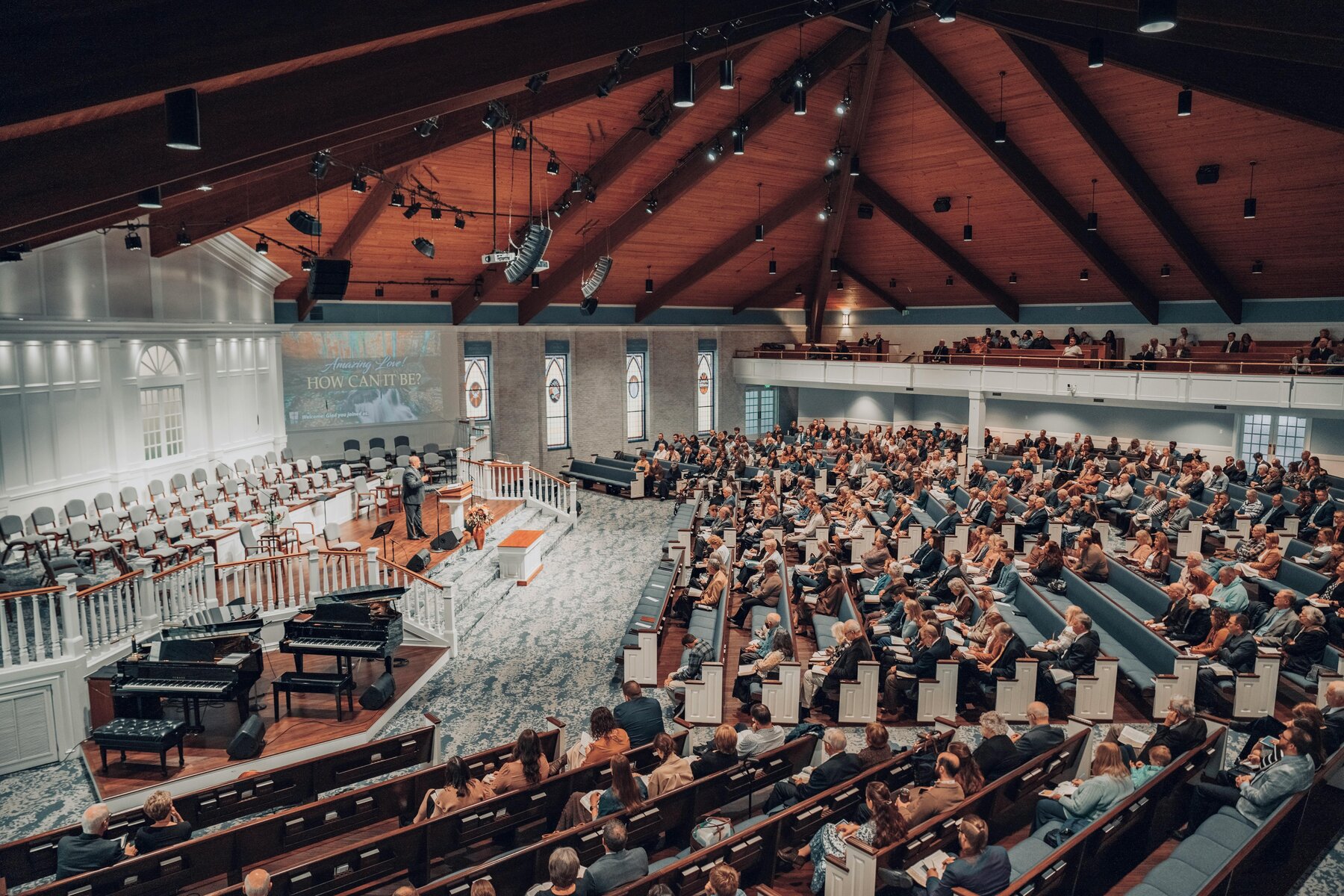
Streaming Without Stress
Aug. 13, 2026
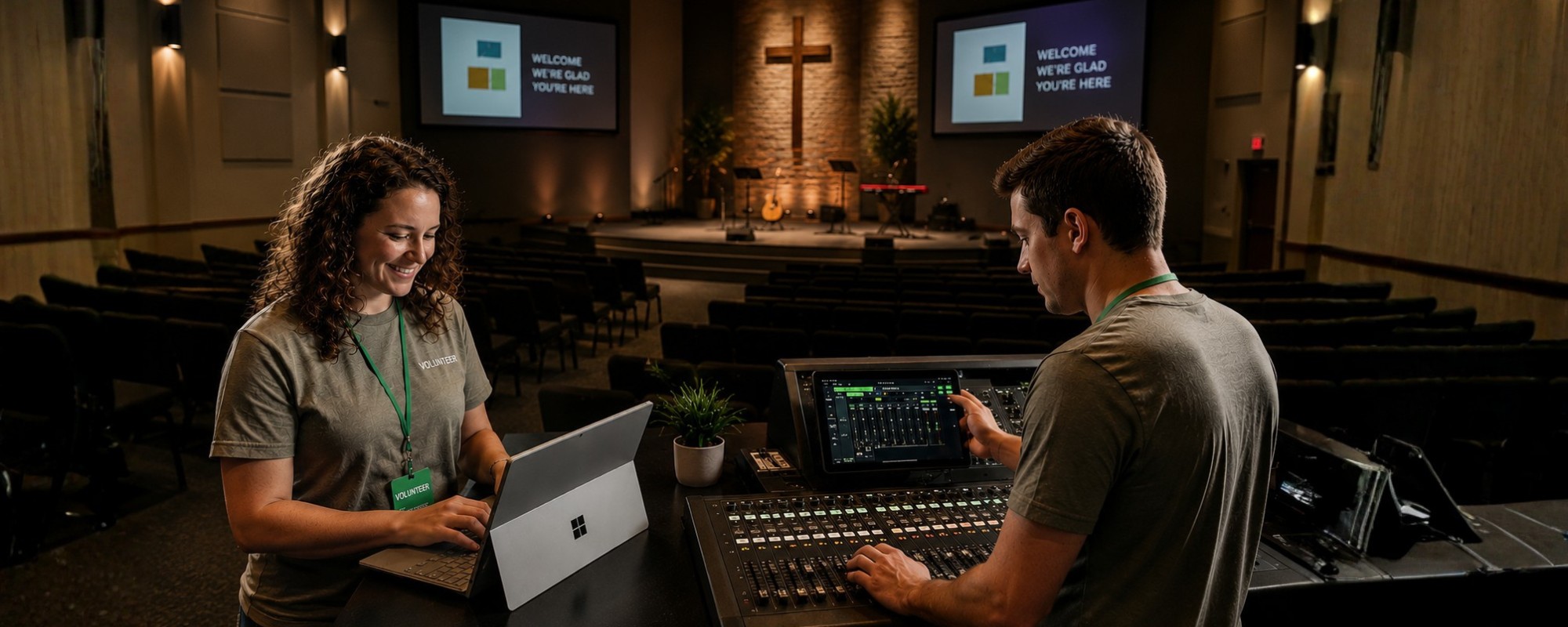
Why Reliable Technology Matters in Worship
Aug. 13, 2026
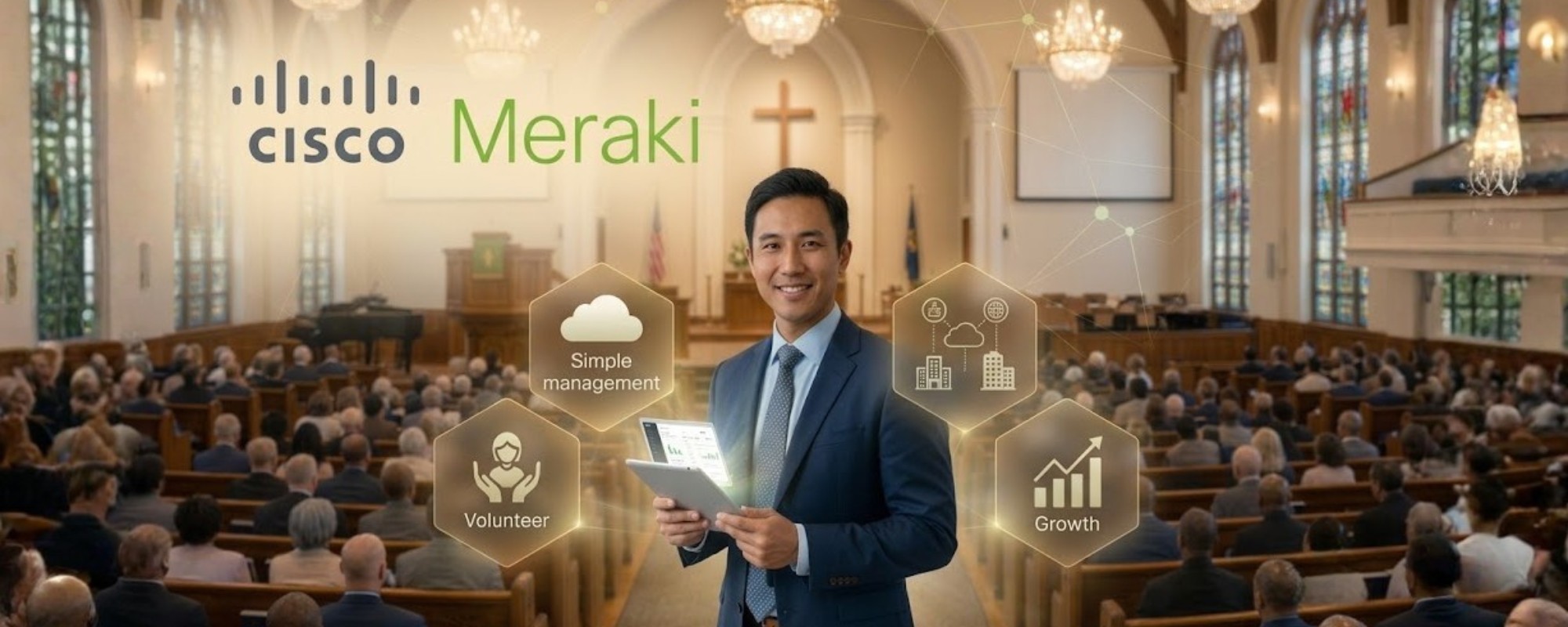
Volunteer-Friendly Church Tech
Aug. 13, 2026
5 Benefits of Cisco Meraki for Houses of Worship
Aug. 13, 2026
Secure & Connected

Aug. 07, 2026
Don’t Delay Mac Purchases to the Last Minute

Feb. 06, 2026
Keep Your IT Budget Working During a Slowdown

Jan. 02, 2026
How to Encourage Successful AI Use in Your Organization
Oct. 29, 2025
I.T. Worx: Your Trusted Authorized Apple Service Provider

Jun. 06, 2025
Consider Personal Cyber Insurance
View All Posts